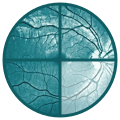
What is diabetic retinopathy?
High blood sugar can damage the small blood vessels in the retina, the light-sensitive layer at the back of your eye. Over time, this can lead to sight loss. Finding and treating it early lowers that risk. Your risk is higher if you've had diabetes for a long time, or if you have high blood pressure or high cholesterol.
Doctors describe it in stages, from background retinopathy, which doesn't affect vision, to proliferative retinopathy, which needs specialist treatment. Diabetic maculopathy is a related problem that affects the macula, the part of the retina you use for central vision.
Symptoms
Diabetic retinopathy usually causes no symptoms in its early stages, which is why regular eye screening matters so much. Later symptoms can include:
- Worsening or blurred vision
- Floaters, which look like dots and lines in your vision
- Difficulty seeing in the dark or in low light
Treatment
Early stages are monitored rather than treated, and good control of your blood sugar, blood pressure and cholesterol is important at every stage. If treatment is needed, the options include:
- Retinal laser treatment
- Anti-VEGF injections
- A steroid implant to reduce swelling in the eye
- Referral for surgery in more advanced cases
Treatment aims to stop your sight getting worse. Vision that has already been lost can't always be recovered.
Your consultation
Mrs Mann sees private patients at The London Medical Clinic in Marylebone, central London. A first consultation usually includes a discussion of your symptoms and medical history, a vision check, drops to widen your pupils, and an examination of the back of your eye. You may also have a retinal scan. The drops can blur your vision for a few hours, so please don't plan to drive afterwards.
Common questions
Do I still need NHS diabetic eye screening if I see a private consultant?
Yes. Please keep attending your NHS diabetic eye screening appointments unless your care team tells you otherwise.
How often should my eyes be checked?
In England, people with diabetes aged 12 and over are invited to screening every one or two years. You may need more frequent checks if changes are found.
Can pregnancy affect diabetic retinopathy?
Yes, retinopathy can develop or progress during pregnancy, so women with diabetes need closer eye monitoring. Mrs Mann has published research on this subject.
Sudden change in your vision? Please don't wait for an appointment. Contact NHS 111 or go to your nearest A&E or urgent eye service.